Understand Your Medical Laboratory Tests.
Clear, evidence-based breakdowns of clinical biomarkers and lab values. Designed to help patients understand their health data and support medical students in mastering diagnostic analysis.



Trusted by 1,200+ clients on their healing journeys
HAEMATOLOGY •
BLOOD TRANSFUSION •
MICROBIOLOGY •
PARASITOLOGY •
HISTOLOGY •
CYTOLOGY •
MOLECULAR BIOLOGY AND GENETICS •
PHLEBOTOMY •
BIOCHEMISTRY •
ENDOCRINOLOGY •
VIROLOGY •
HAEMATOLOGY •
BLOOD TRANSFUSION •
MICROBIOLOGY •
PARASITOLOGY •
HISTOLOGY •
CYTOLOGY •
MOLECULAR BIOLOGY AND GENETICS •
PHLEBOTOMY •
BIOCHEMISTRY •
ENDOCRINOLOGY •
VIROLOGY •
Areas of FOCUS
Pillars of Labour Medicine
Labour Medicine sits at the intersection of clinical care, industrial hygiene, legal compliance, and ergonomic design.

Pre-Employment & Fit-for-Duty Exams
Screening job candidates or existing staff to ensure they can meet physical or environmental demands (e.g., heavy lifting, vision standards for drivers, lung checks for dust exposure) without risking harm to themselves or others.

Workplace Hazard Prevention
Assessing job environments for biological, chemical, physical, or ergonomic risks (e.g., respiratory threats, high noise levels, repetitive motion strain) and recommending protective gear or workflow adjustments.

Work-Related Injury & Exposure Management
Diagnosing and treating acute conditions that occur on the job (e.g., chemical burns, needle-stick injuries, fractures, chronic strains) while managing Workers’ Compensation processes.

Medical Surveillance:
Running periodic screenings (such as audiograms for factory workers or blood-lead panels for painters) to detect occupational diseases at early stages before permanent damage occurs.

Return-to-Work & Rehabilitation
Helping injured or ill workers safely transition back to duties using temporary or permanent “reasonable accommodations.”
Hello, I’m Dr. Elena
A steady, skilled presence for the work that matters most
I built Serene Path so that therapy could feel less like a clinical appointment and more like a thoughtful conversation — held by someone who has both the credentials and the lived patience to sit with what’s hard.
Credentials
LMHC, MA Clinical Psychology
Certifications
ICF, Trauma-Informed Care
Experience
12+ years, 1,200+ clients
Mission
Make depth work warm and accessible
Featured Programs
Coaching paths designed around real transformation
Powered by AllCoach — purchase, access, and book sessions in one supportive flow.
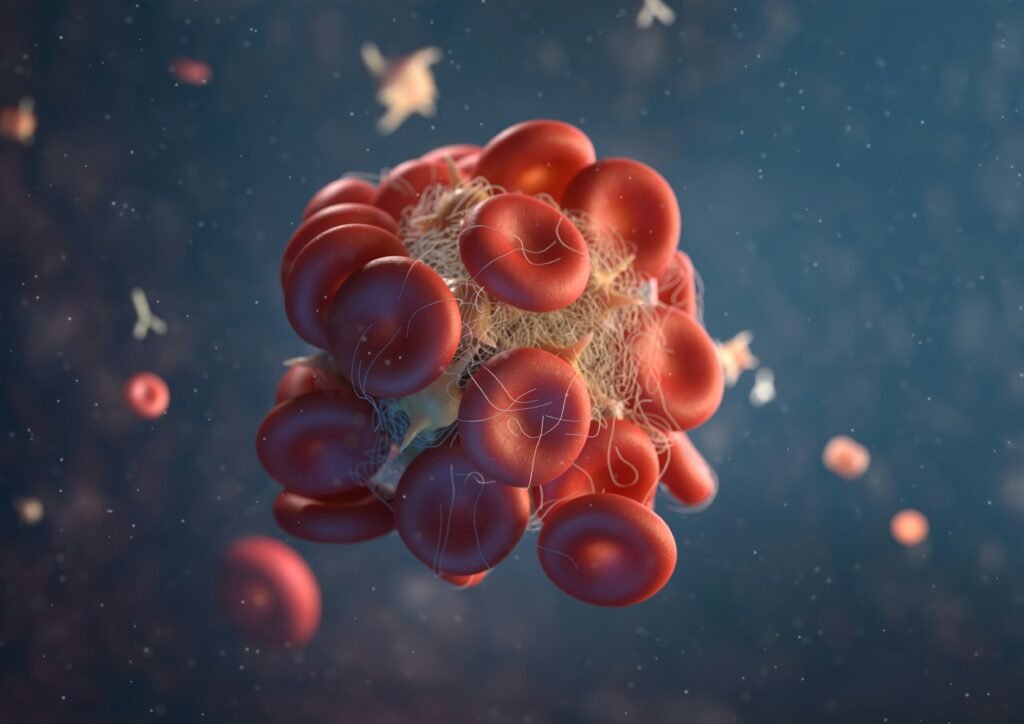
Haematology
is the medical field dedicated to studying, diagnosing, and treating blood and lymphatic system disorders.
Core Components of Blood
Haematology focuses on both the cellular components suspended in blood and the fluid matrix carrying them:
- Erythrocytes (Red Blood Cells): Contain hemoglobin, an iron-rich protein that transports oxygen from the lungs to body tissues and returns carbon dioxide back to the lungs.
- Leukocytes (White Blood Cells): The core of the immune system. They defend against infections, pathogens, and foreign substances. Key subtypes include:
- Granulocytes (Neutrophils, Eosinophils, Basophils)
- Agranulocytes (Lymphocytes, Monocytes)
- Thrombocytes (Platelets): Cell fragments that initiate blood clotting to stop bleeding following vascular injury.
- Plasma: The liquid portion composed of water, electrolytes, proteins (albumin, globulins, fibrinogen), and nutrients.
Key Clinical Focus Areas
Haematology encompasses both non-malignant conditions and blood cancers, along with essential laboratory diagnostic testing:
| Area | Primary Conditions & Functions | Common Tests |
| Red Blood Cell Disorders | Anemia (iron-deficiency, sickle cell, aplastic), Thalassemia, Polycythemia | Full Blood Count (FBC/CBC), Ferritin, Reticulocyte count |
| Coagulation & Hemostasis | Hemophilia, Von Willebrand disease, Deep Vein Thrombosis (DVT) | Prothrombin Time (PT/INR), APTT, D-Dimer |
| Haematological Malignancies | Leukemia, Lymphoma (Hodgkin & Non-Hodgkin), Multiple Myeloma | Bone marrow biopsy, Flow cytometry, Cytogenetics |
| Transfusion Medicine | ABO & Rh blood typing, crossmatching, blood product preparation | Blood grouping, Antibody screening |
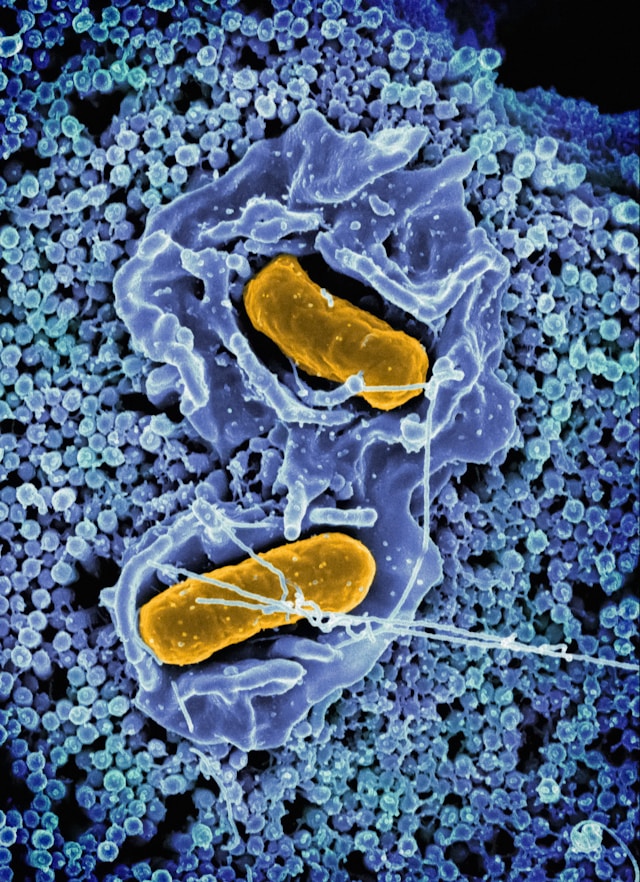
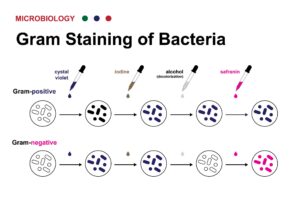
Microbiology
is the scientific study of microscopic organisms, including bacteria, viruses, fungi, protozoa, and algae.
Core Components of Blood
Haematology focuses on both the cellular components suspended in blood and the fluid matrix carrying them:
- Erythrocytes (Red Blood Cells): Contain hemoglobin, an iron-rich protein that transports oxygen from the lungs to body tissues and returns carbon dioxide back to the lungs.
- Leukocytes (White Blood Cells): The core of the immune system. They defend against infections, pathogens, and foreign substances. Key subtypes include:
- Granulocytes (Neutrophils, Eosinophils, Basophils)
- Agranulocytes (Lymphocytes, Monocytes)
- Thrombocytes (Platelets): Cell fragments that initiate blood clotting to stop bleeding following vascular injury.
- Plasma: The liquid portion composed of water, electrolytes, proteins (albumin, globulins, fibrinogen), and nutrients.
Key Clinical Focus Areas
Haematology encompasses both non-malignant conditions and blood cancers, along with essential laboratory diagnostic testing:
| Area | Primary Conditions & Functions | Common Tests |
| Red Blood Cell Disorders | Anemia (iron-deficiency, sickle cell, aplastic), Thalassemia, Polycythemia | Full Blood Count (FBC/CBC), Ferritin, Reticulocyte count |
| Coagulation & Hemostasis | Hemophilia, Von Willebrand disease, Deep Vein Thrombosis (DVT) | Prothrombin Time (PT/INR), APTT, D-Dimer |
| Haematological Malignancies | Leukemia, Lymphoma (Hodgkin & Non-Hodgkin), Multiple Myeloma | Bone marrow biopsy, Flow cytometry, Cytogenetics |
| Transfusion Medicine | ABO & Rh blood typing, crossmatching, blood product preparation | Blood grouping, Antibody screening |
Blood transfusion
intravenously delivers donated blood components to treat severe blood loss, anemia, or disease.
Core Components of Blood
Haematology focuses on both the cellular components suspended in blood and the fluid matrix carrying them:
- Erythrocytes (Red Blood Cells): Contain hemoglobin, an iron-rich protein that transports oxygen from the lungs to body tissues and returns carbon dioxide back to the lungs.
- Leukocytes (White Blood Cells): The core of the immune system. They defend against infections, pathogens, and foreign substances. Key subtypes include:
- Granulocytes (Neutrophils, Eosinophils, Basophils)
- Agranulocytes (Lymphocytes, Monocytes)
- Thrombocytes (Platelets): Cell fragments that initiate blood clotting to stop bleeding following vascular injury.
- Plasma: The liquid portion composed of water, electrolytes, proteins (albumin, globulins, fibrinogen), and nutrients.
Key Clinical Focus Areas
Haematology encompasses both non-malignant conditions and blood cancers, along with essential laboratory diagnostic testing:
| Area | Primary Conditions & Functions | Common Tests |
| Red Blood Cell Disorders | Anemia (iron-deficiency, sickle cell, aplastic), Thalassemia, Polycythemia | Full Blood Count (FBC/CBC), Ferritin, Reticulocyte count |
| Coagulation & Hemostasis | Hemophilia, Von Willebrand disease, Deep Vein Thrombosis (DVT) | Prothrombin Time (PT/INR), APTT, D-Dimer |
| Haematological Malignancies | Leukemia, Lymphoma (Hodgkin & Non-Hodgkin), Multiple Myeloma | Bone marrow biopsy, Flow cytometry, Cytogenetics |
| Transfusion Medicine | ABO & Rh blood typing, crossmatching, blood product preparation | Blood grouping, Antibody screening |
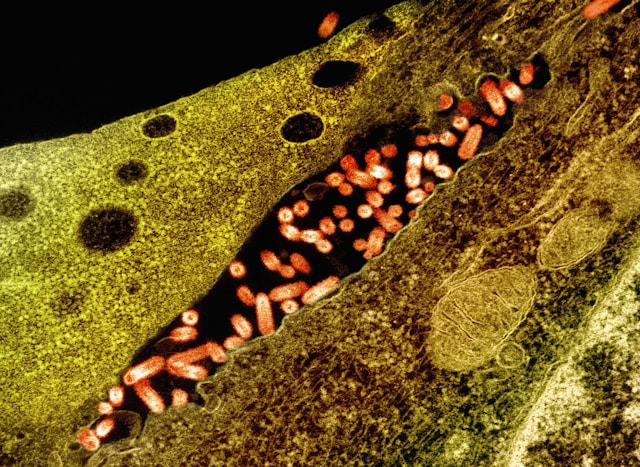
Parasitology
is the scientific study of parasites and host relationships where the parasite lives off the host at its expense.
Core Components of Blood
Haematology focuses on both the cellular components suspended in blood and the fluid matrix carrying them:
- Erythrocytes (Red Blood Cells): Contain hemoglobin, an iron-rich protein that transports oxygen from the lungs to body tissues and returns carbon dioxide back to the lungs.
- Leukocytes (White Blood Cells): The core of the immune system. They defend against infections, pathogens, and foreign substances. Key subtypes include:
- Granulocytes (Neutrophils, Eosinophils, Basophils)
- Agranulocytes (Lymphocytes, Monocytes)
- Thrombocytes (Platelets): Cell fragments that initiate blood clotting to stop bleeding following vascular injury.
- Plasma: The liquid portion composed of water, electrolytes, proteins (albumin, globulins, fibrinogen), and nutrients.
Key Clinical Focus Areas
Haematology encompasses both non-malignant conditions and blood cancers, along with essential laboratory diagnostic testing:
| Area | Primary Conditions & Functions | Common Tests |
| Red Blood Cell Disorders | Anemia (iron-deficiency, sickle cell, aplastic), Thalassemia, Polycythemia | Full Blood Count (FBC/CBC), Ferritin, Reticulocyte count |
| Coagulation & Hemostasis | Hemophilia, Von Willebrand disease, Deep Vein Thrombosis (DVT) | Prothrombin Time (PT/INR), APTT, D-Dimer |
| Haematological Malignancies | Leukemia, Lymphoma (Hodgkin & Non-Hodgkin), Multiple Myeloma | Bone marrow biopsy, Flow cytometry, Cytogenetics |
| Transfusion Medicine | ABO & Rh blood typing, crossmatching, blood product preparation | Blood grouping, Antibody screening |

Through the Transition

10 weeks

10 guided sessions
From
$1,450
How It Works
A grounded, supported path from first
click to lasting change
01
Choose Program
Browse coaching tracks and pick the one that fits your season.
02
Purchase Program
Secure checkout. Receive an instant confirmation by email.
03
Receive Account Access
Your therapist creates your client account and sends credentials.
04
Complete Activities
Open your dashboard — journals, reflections, and weekly check-ins await.
05
Book Sessions
Schedule one-on-one sessions directly from your calendar in AllCoach.
06
Track Progress
Watch your milestones, mood patterns, and growth unfold over time.
Inside Your Dashboard
Interactive wellness activities that meet you between sessions
Your personal dashboard brings together journaling, reflections, mindfulness activities, emotional check-ins, and goal tracking — all in one private, easy-to-navigate space between sessions.

Journaling Exercises
Guided prompts to help you process and articulate your inner world.

Emotional Check-ins
Log your emotional state and spot patterns in your wellbeing.

Reflection Prompts
Weekly questions designed to deepen self-awareness and insight.
Mindfulness Activities
Short, practical exercises to ground you between sessions.

Goal Tracking
Set intentions and track your personal milestones over time.
MEET YOUR THERAPIST
Background, training, and the rooms
I’ve practiced in

Certifications

LMHC — State of Oregon
ICF Certified Coach (PCC)
Trauma-Informed Care, Level II
EMDR Trained (2020)
Specializations
Anxiety
Grief
Relationships
Self-worth
Burnout
Identity
Parenthood

Memberships
American Counseling Association
International Coaching Federation
Oregon Mental Health Counselors Assn.
EMDR International Association
Experience timeline
2012
MA in Clinical Psychology,
Columbia
2014
Licensed (LMHC), private practice begins
2018
ICF Certified Coach, trauma-informed training
2021
Founder, TherapyCoach
2024
1,200+ clients served across 14 states
Client Outcomes
Before & After Real Shifts
These aren’t dramatic overnight transformations. They’re the quiet, profound changes
that happen when someone finally stops running from themselves.
Before
“I was a VP at 38, everyone thought I had it figured out. I was quietly having a panic attack every Sunday night before the work week.”
After 3 months
Negotiated a 4-day week, started therapy, began a side project she’d been “too busy” for. Sunday nights are now her favourite time of the week.
Priya N.
VP Strategy · Tech industry
Before
“I’d been in the same role for 7 years. I knew I needed to leave but I kept telling myself ‘not yet.’ Not yet became 5 years of not yet.”
After 6 months
Left his job, launched an independent consultancy, landed his first two clients within 60 days. Reports sleeping better than he has in a decade.
James T.
Founder · Independent consultancy
Before
“My whole identity was ‘engineer at Google.’ When I got passed over for promotion I genuinely didn’t know who I was without that story.”
After 3 months
Rebuilt his sense of identity from the inside. Now leads a team he loves and has a life outside work for the first time in his adult life.
Marcus L.
Senior Engineer · Google
Before
“I was making more money than I ever dreamed of and completely miserable. I was too ashamed to tell anyone — it felt ungrateful to be unhappy.”
After 4 months
Gave herself permission to want something different. Now runs her own boutique practice, works 30 hours a week, and describes herself as “genuinely happy” for the first time.
Amara S.
Founder · Boutique advisory
Resources
Quiet reading for the in-between moments
All articles →



FAQ
Answers to what most clients ask first
Don’t see your question? Reach out — we respond personally within one business day.
How does the coaching process work?
We begin with a free discovery call so we can assess fit and discuss what you’re hoping to work on. From there, you’ll choose a program, receive access to your dashboard, and book your first session. Sessions are held weekly or bi-weekly depending on your plan.
How do I book my sessions?
Sessions are booked directly through your AllCoach dashboard. Once you enroll, you’ll see an integrated calendar where you can select a time that works for you — no back-and-forth emails needed.
What are your qualifications?
I hold an MA in Clinical Psychology and a Licensed Mental Health Counselor credential (LMHC). I’m also a Professional Certified Coach through the ICF and have completed specialized training in trauma-informed care and the Gottman Method. I’ve been in practice for 12 years with over 1,200 clients.
Do you offer sliding-scale or reduced fees?
I keep a small number of sliding-scale spots for clients who need them. Reach out before enrolling and we’ll talk about it honestly — cost shouldn’t be the reason you don’t begin.
Is this therapy or coaching — and what’s the difference?
Both. Therapy focuses on healing — understanding and processing past experiences, mental health, and emotional regulation. Coaching focuses on growth — goals, habits, accountability, and forward movement. My programs blend both intentionally, depending on what you need most.
Ready When You Are
Begin something meaningful.
A single conversation is enough to know whether this is the right fit. There’s no pressure — only possibility.